Hitch Classes, Ball Sizes, and Towing Capacity: A Trailer for Rent Guide in Madison, MS
Understanding hitch classes, ball sizes, and towing capacity is essential before searching for a trailer for rent in Madison, MS. Picking up a trailer without knowing your vehicle's hitch rating or the correct ball size is one of the most common mistakes renters make. A few minutes of preparation can save you a significant headache on the road.
Hitch Classes Explained (Class I Through Class V)
Every trailer hitch belongs to a class that determines how much weight it can safely handle. Your vehicle owner's manual will list your hitch class and towing capacity. Always confirm this before reserving a trailer.
▸ Class I: Up to 2,000 lbs GTW, 1-1/4" receiver. Found on compact cars and small crossovers. Best for very light utility trailers or bike racks.
▸ Class II: Up to 3,500 lbs GTW, 1-1/4" receiver. Common in mid-size cars, minivans, and smaller SUVs. Handles light camping trailers or small utility loads.
▸ Class III: Up to 8,000 lbs GTW, 2" receiver. The most widely used class for everyday towing. Standard on pickup trucks and full-size SUVs, covering the majority of trailer for rent needs.
▸ Class IV: Uses a 2-1/2" receiver. Designed for full-size trucks and larger SUVs hauling heavier construction equipment trailers.
▸
Class V: Exceeds 12,000 lbs GTW. Uses a 2-1/2" or 3" receiver, typically found on heavy-duty commercial vehicles.
Ball Sizes and How They Match to Your Trailer
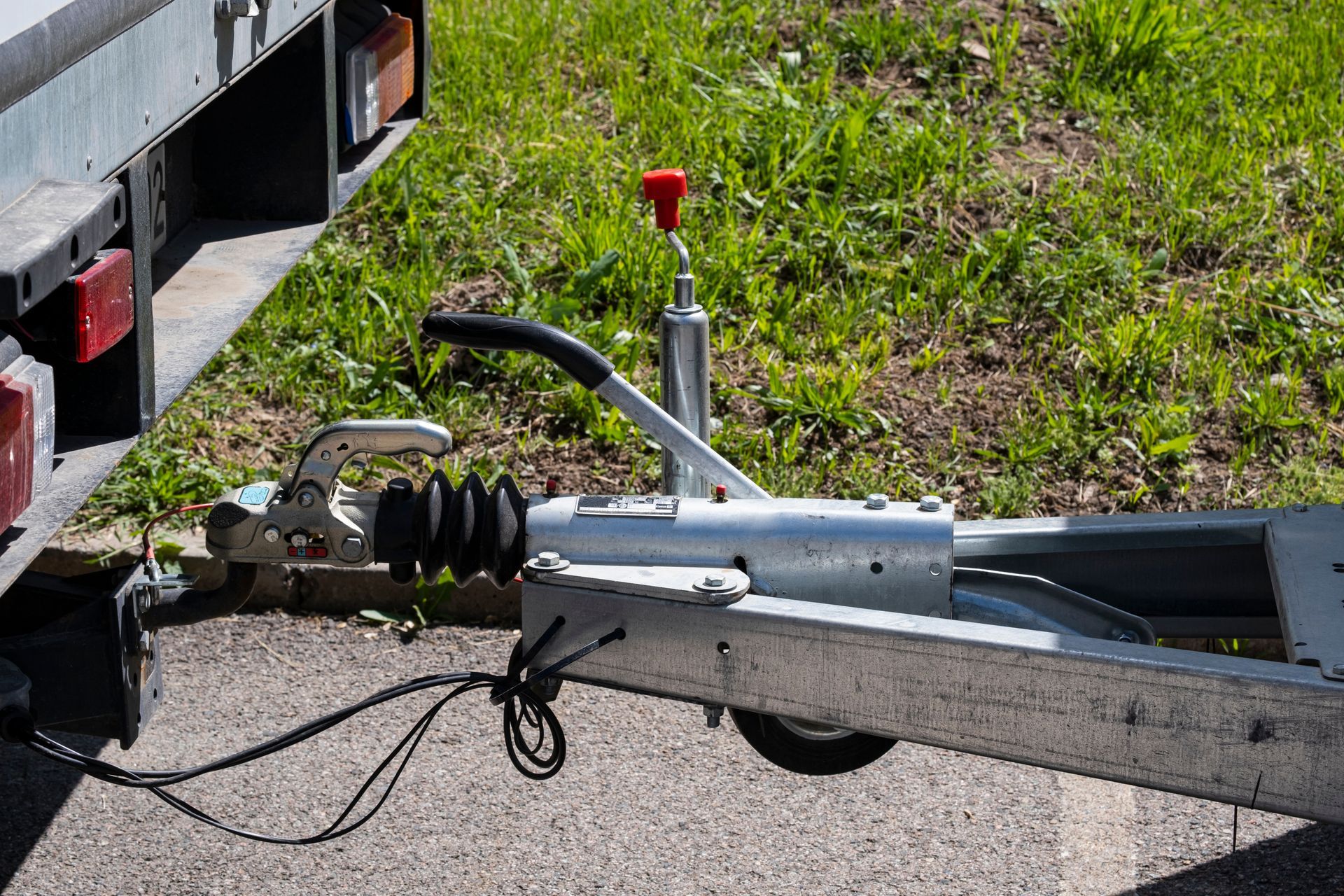
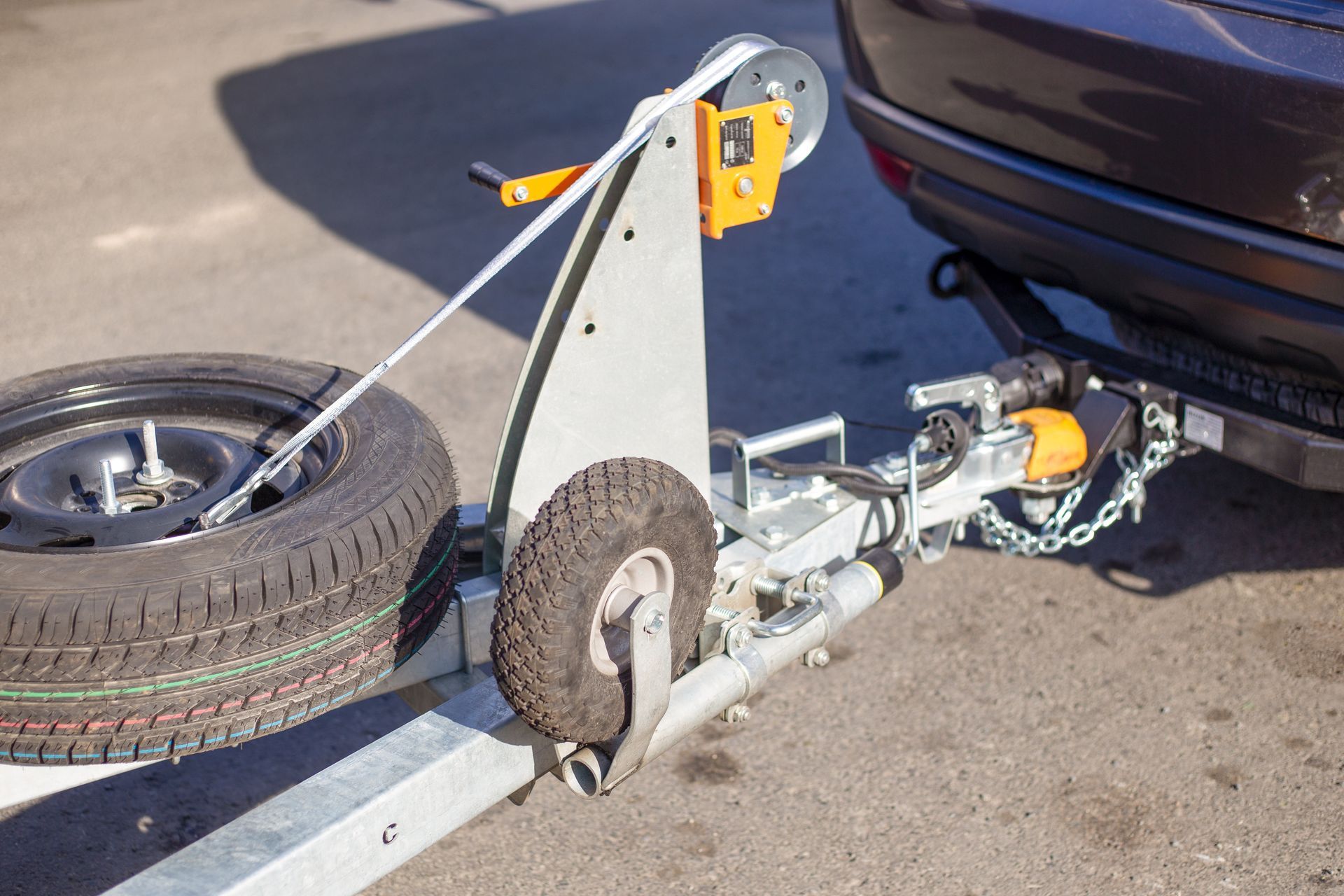
The right hitch ball must match your trailer's coupler exactly. A mismatch can cause the coupler to pop loose or the trailer to sway dangerously at highway speeds.
- 1-7/8" ball (Class I & II): lawn equipment trailers, small cargo carriers, and jet ski haulers, up to 2,000 lbs.
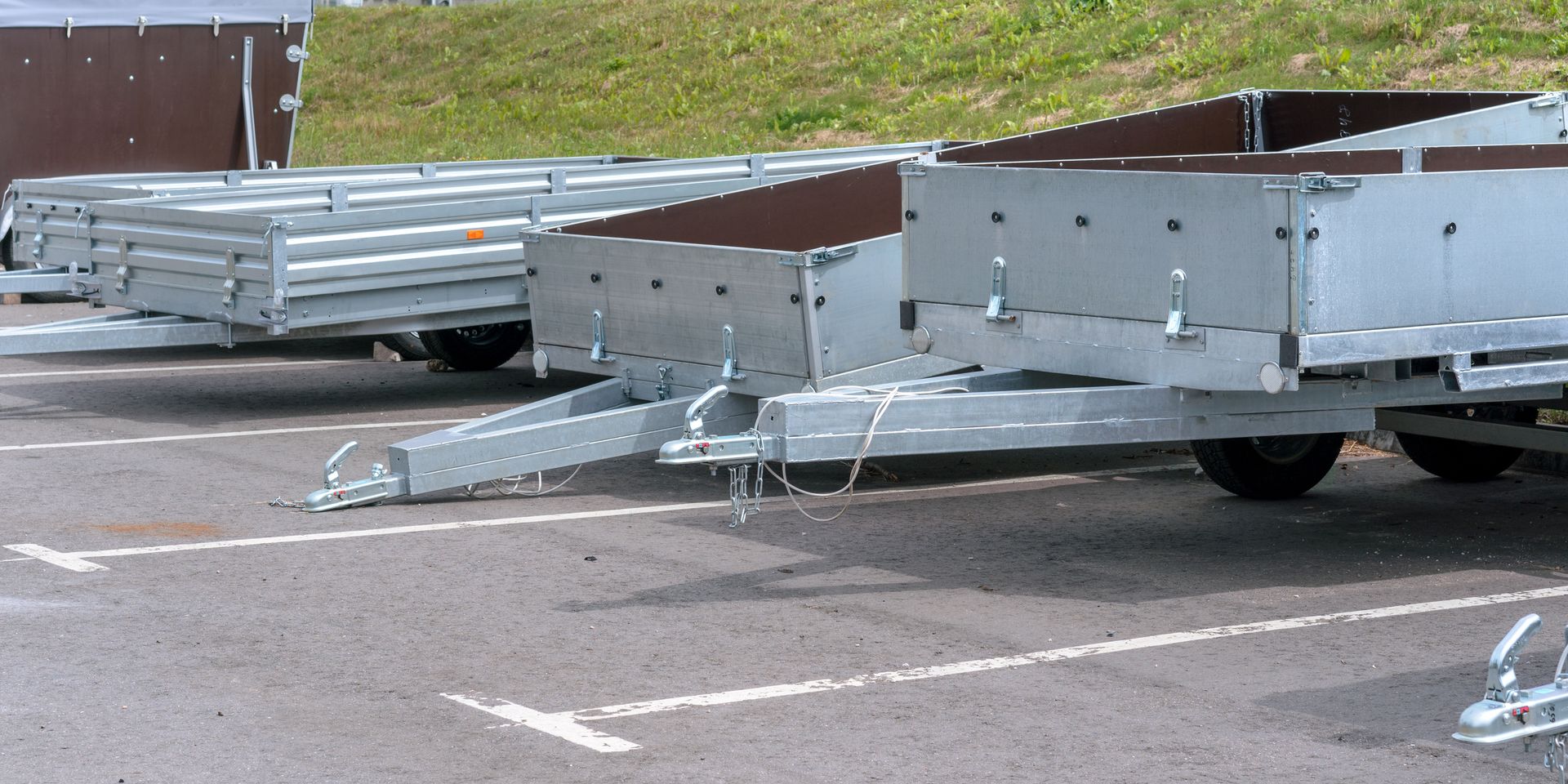
- 2" ball (Class II & III): utility trailers, single-axle dump trailers, and small flatbeds, up to 8,000 lbs.
- 2-5/16" ball (Class III, IV & V): heavy equipment trailers, double-axle dump trailers, and large flatbeds (10,000 lbs and up).
Always check the stamped size on your trailer's coupler before renting. Using the wrong size is a safety risk, not just an inconvenience.
Towing Capacity by Common Vehicle Type
Your vehicle's towing capacity sets an absolute ceiling for what you can safely haul. Exceeding it can damage your transmission, overheat your brakes, and void your vehicle warranty.
▸Compact car or small crossover: Often 1,000 to 1,500 lbs. Suitable only for very light Class I loads.
▸Mid-size SUV or minivan: Typically 3,500 to 5,000 lbs. Works well with utility trailers and light equipment trailers.
▸Full-size SUV or half-ton pickup: Generally 6,000 to 10,000 lbs. Covers most Class III trailer for rent needs.
▸Three-quarter-ton or one-ton pickup: May handle 13,000 lbs or more. Capable of pulling heavy equipment or double-axle dump trailers.
Check your owner's manual for the exact capacity for your specific year, make, model, and engine. Payload ratings and tongue weight limits also apply.
What Is Tongue Weight and Why Does It Matter?
Tongue weight is the downward force the trailer places on the hitch ball. It should fall between 10% and 15% of your total trailer weight. Too little causes trailer sway; too much can overload your hitch and damage your vehicle's rear suspension.
What to Verify Before Picking Up a Trailer for Rent
- Confirm your vehicle's hitch class and receiver size.
- Verify the correct ball size stamped on the trailer coupler.
- Check that your vehicle wiring supports trailer brake lights and turn signals.
- Review your vehicle's towing capacity against the loaded trailer weight.
- Inspect trailer tires, lights, and safety chains before pulling away.
Local Terrain Considerations in and Around Madison, MS
Madison County presents a mix of residential subdivisions, rural roads, and active construction corridors. Traffic along Highway 51 and Interstate 55 demands smooth braking performance from your trailer setup. Landscaping, storm debris hauling, and residential construction keep demand for utility and dump trailers elevated season to season. If your project involves moving mulch, gravel, or equipment across unpaved lots, a heavier-rated trailer for rent with proper axle support will perform better than a light-duty option.
Common Mistakes to Avoid When Renting a Trailer
- Assuming the trailer size matches your hitch ball without checking the coupler stamp.
- Forgetting to calculate the loaded trailer weight, not just the empty trailer weight.
- Skipping a wiring check before hitting the road.
- Overloading a trailer beyond its Gross Vehicle Weight Rating (GVWR).
- Choosing a vehicle with a lower tow rating than the loaded trailer requires.
Ready to Find a Trailer for Rent Serving Madison, MS?
McGraw Rental & Supply provides a fleet of well-maintained trailers backed by over 30 years of Central Mississippi rental experience. Whether you need a utility trailer for a weekend project or a heavy-duty option for a construction haul, the team can help you match the right trailer for rent to your tow vehicle.
Call (601) 957-1712 to discuss availability, or submit a rental request online to get started. You can also learn more about trailer rentals and browse available options before you call.
Find
McGraw Rental & Supply on Google to read reviews and confirm current hours before your visit.